

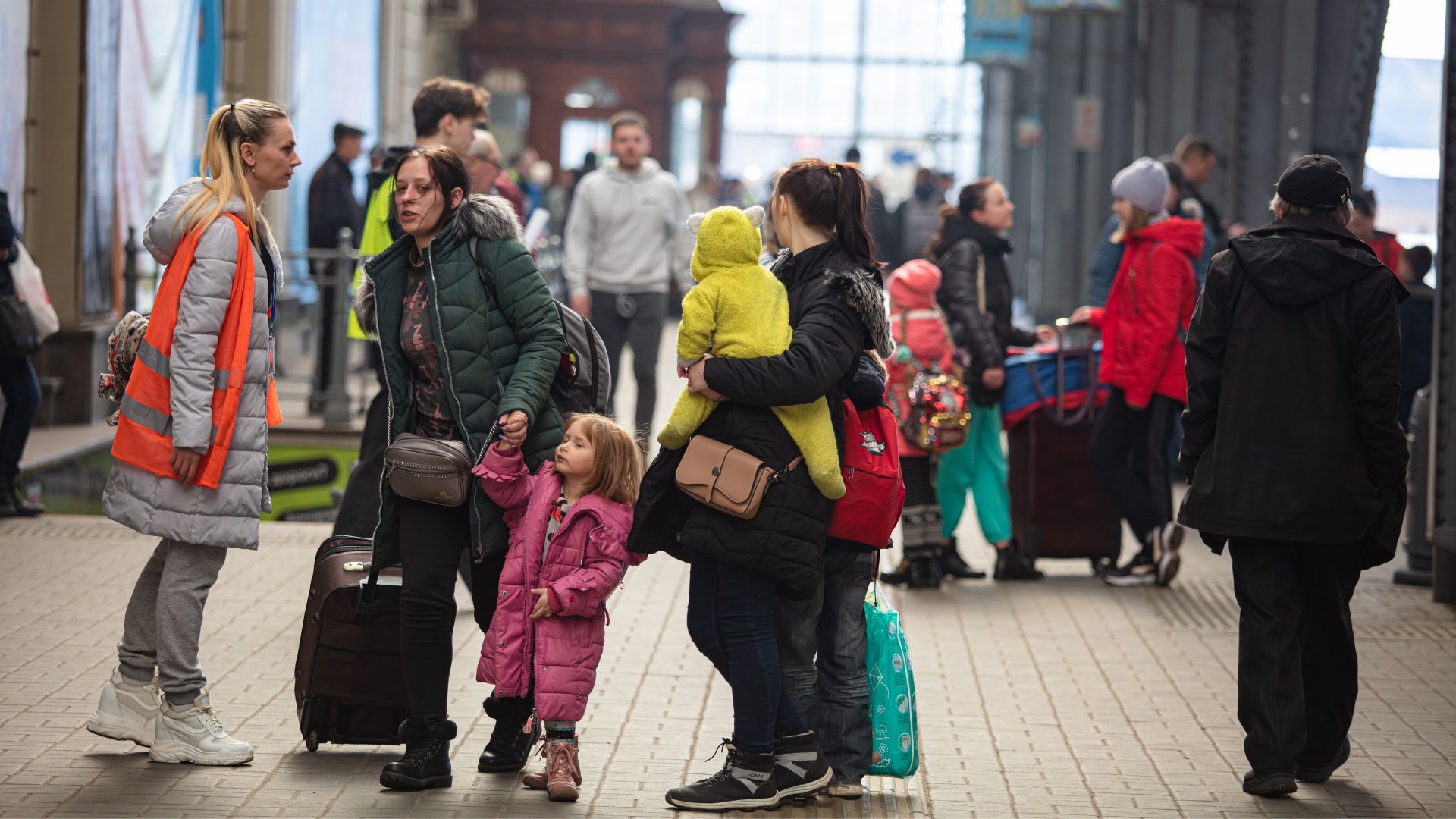
The activation of the Temporary Protection Directive in 2022 marked a milestone in the European response to the displacement caused by the war in Ukraine. However, beyond legal protection, the effective integration of refugee women continues to face structural obstacles that affect their autonomy, employability, and security.
A displacement with a female face
As of December 31, 2025, 4.35 million people were under temporary protection in the European Union, according to Eurostat. Of them, 43.6% are adult women and 30.5% are minors, confirming the marked feminine and family-oriented nature of the displacement.
Quick access to residence permits, employment, and social services has been a significant advancement. However, administrative stability alone does not guarantee full integration or career paths in line with prior qualifications.
According to UNHCR data, the employment rate of Ukrainian refugees aged 20 to 64 hovers around 57%, although with a significant gap compared to the national population, and 60% are working below their education level. Integration has been relatively swift, but structural mismatches persist.
Education, employment, and reconciliation: accumulating barriers
On the ground, these figures translate into stories marked by interrelated obstacles. Maura Soriano, coordinator of International Protection at Fundación Hospitalarias in Valladolid and part of PUENTE Project team, warns that “the challenges are multiple and complex, and they are often interconnected.”
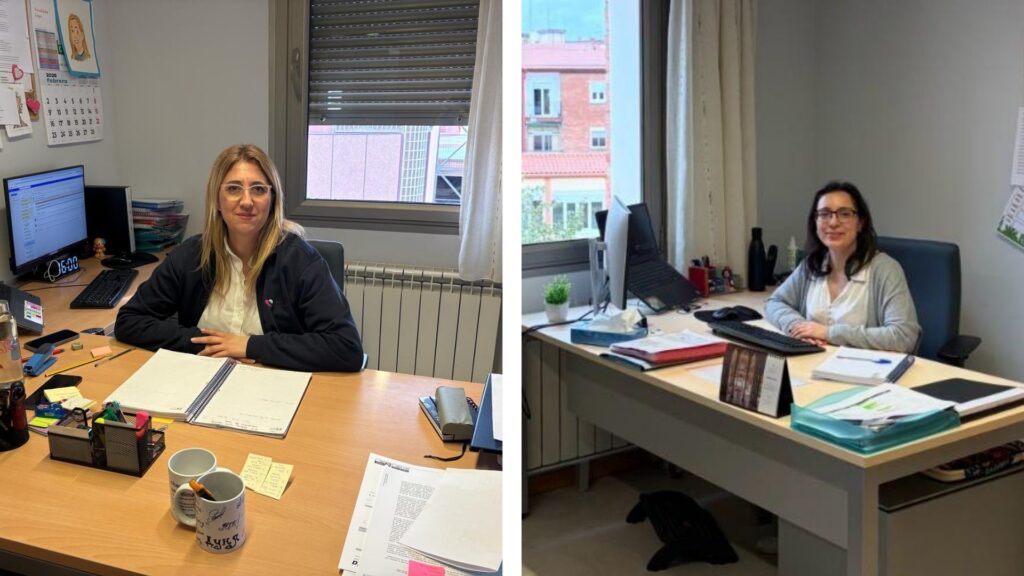
In terms of education and work, she explains that “they face educational barriers, such as limited access to formal education, as they arrive in a country with a different education system and face difficulties in validating their degrees or certificates.” This difficulty, she adds, has direct consequences: “They face a lack of professional recognition; credentials and work experience obtained in their country of origin are often not recognized, forcing many women to accept jobs below their qualification level.“
Language constitutes another silent barrier. Soriano emphasizes that “there is a significant language gap: the lack of proficiency in the host country’s language makes full participation in educational programs or access to jobs more difficult.” Without language skills, employability is reduced, and exercising rights becomes challenging.
Additionally, there are caregiving responsibilities. Many women left Ukraine without their partners and are solely responsible for raising and caring for their families. According to Soriano, “many women take on caregiving responsibilities for children or other family members, which limits the time available for studying or accessing full-time jobs. The need to reconcile work with family care reduces available job opportunities and professional mobility.” She also reminds us that “labor integration largely depends on social networks and contacts, something that newly arrived women often lack.”
The emotional dimension also weighs heavily. Soriano notes that “the experiences of violence, displacement, or loss that many of them have endured can affect their mental health, presenting traumatic symptoms that affect aspects such as concentration, self-esteem, motivation, decision-making ability, and maintaining a job.” Integration, therefore, requires psychosocial support in addition to economic opportunities.
Building autonomy
In the face of these barriers, non-formal education becomes a strategic tool. María González, a social worker at Fundación Hospitalarias in Valladolid, argues that “non-formal education plays a fundamental role in empowering refugee women and strengthening their autonomy and decision-making ability regarding their own life projects.“
She explains that these spaces “help develop their skills, strengthening their practical and professional abilities: allowing women to acquire tools to access employment and enhancing their social and leadership skills, boosting their self-esteem and ability to interact in various environments, including community and work settings.”
The impact goes beyond technical training. González adds that “by acquiring knowledge and skills, women are better equipped to plan their lives, manage resources, and define personal and family goals,” and emphasizes that “non-formal educational programs facilitate interaction with other refugee women and the local community, strengthening solidarity and collaboration networks.“
In contexts where isolation can become a risk factor, these networks are a key element of protection and active participation.
Vulnerability, prevention, and coordinated response
The mass displacement of women and minors has raised alarms about potential risks of exploitation and violence. The European Asylum Agency (EUAA) identifies factors such as economic dependency, lack of language proficiency, or informal labor as elements of vulnerability. Europol has also reported operations against networks exploiting Ukrainian refugee women in various member states.
In daily practice, these situations are detected in the social sphere. González states clearly: “Yes, we detect situations of particular vulnerability that specifically affect refugee women. Women have faced situations such as coercive acts, economic control, psychological violence, gender-based violence, forced marriages, or extreme dependency on others (partners, family members, or community networks).”
These dynamics, she explains, “are often exacerbated by factors such as the lack of language skills, lack of support networks, fear of losing resources or regularization in the host country, and traumatic experiences prior to displacement.“
In response, support combines prevention, early detection, and coordination with specialized resources. In this framework, the PUENTE Project strengthens professional training on gender, human rights, and intersectionality. Soriano emphasizes that these elements “are key to ensuring safe and protective environments for the women assisted, especially in vulnerable contexts such as refuge and migration,” and explains that the project enables “professionals to acquire greater capacity to identify inequalities, stereotypes, and risk situations that specifically affect refugee women.“
The accumulated experience demonstrates that integration cannot be measured solely by employment figures. It is built on the quality of opportunities, security from violence, and each woman’s real capacity to decide on her own life project. Only through a strategy that combines decent employability, effective protection, and a rights-based approach will it be possible to consolidate sustainable career paths over time.
Leave a Reply