Non-formal education
Non-formal education education builds empowerment and inclusion
Non-formal education transforms lives through flexible and adaptable learning opportunities. An exceptional opportunity to enhance practical skills, foster social integration, and rebuild the sense of community among Ukrainian refugees.

What is non-formal education?
Non-formal education refers to organized educational activities that occur outside the formal school system. These programs are focused on skill development, personal enrichment, and social competencies. Non-formal education is usually voluntary and targets specific learning needs of individuals or groups, making it highly adaptable and community-oriented.
What is the difference between formal and non-formal education?
The main difference between formal and non-formal education lies in their structure and certification processes. Formal education typically occurs in schools, colleges, and universities, follows a prescribed curriculum, and leads to recognized diplomas and degrees. In contrast, non-formal education does not necessarily follow a rigid curriculum and often does not lead to formal certification.
Why is non-formal education important for inclusion?
Non-formal education plays a critical role in fostering inclusion by providing learning opportunities to individuals who might be marginalized or excluded from the formal educational system. This includes people with disabilities, ethnic minorities, and older adults. Non-formal education programs are designed to be flexible and accessible, helping to reduce barriers to education, promoting social integration, and empowering individuals by equipping them with relevant skills and knowledge for personal and professional development.
Is non-formal education important for Ukrainian refugees?
Yes, non-formal education is crucial for Ukrainian refugees. It provides them with essential skills and knowledge that can assist in their integration into new communities. Non-formal education is vital for helping refugees adjust to their new environments, gain employment, and rebuild their lives with dignity and self-sufficiency.
What is non-formal education for adults?
Non-formal education for adults encompasses a wide range of educational programs aimed at providing lifelong learning opportunities outside the traditional school system. These programs focus on improving their employability and quality of life.
Why non-formal education?
Accessibility
Available to all, regardless of previous educational achievements or current circumstances
Flexibility
Learn at your own pace, with programs tailored to fit into diverse lifestyles and responsibilities
Skill-oriented
Focused on practical skills and competencies that facilitate immediate application in daily life and work
Our educational approach
By integrating these elements, we ensure that education is both engaging and effective, providing refugees with the tools they need to thrive in new environments.
Participatory techniques
Encouraging active involvement to enhance learning outcomes and build confidence
Experiential learning
Learning through doing, which reinforces practical application of the true knowledge
Community-based activities
Learning within the community to strengthen social bonds and cultural integration
Practical tools. Real inclusion.
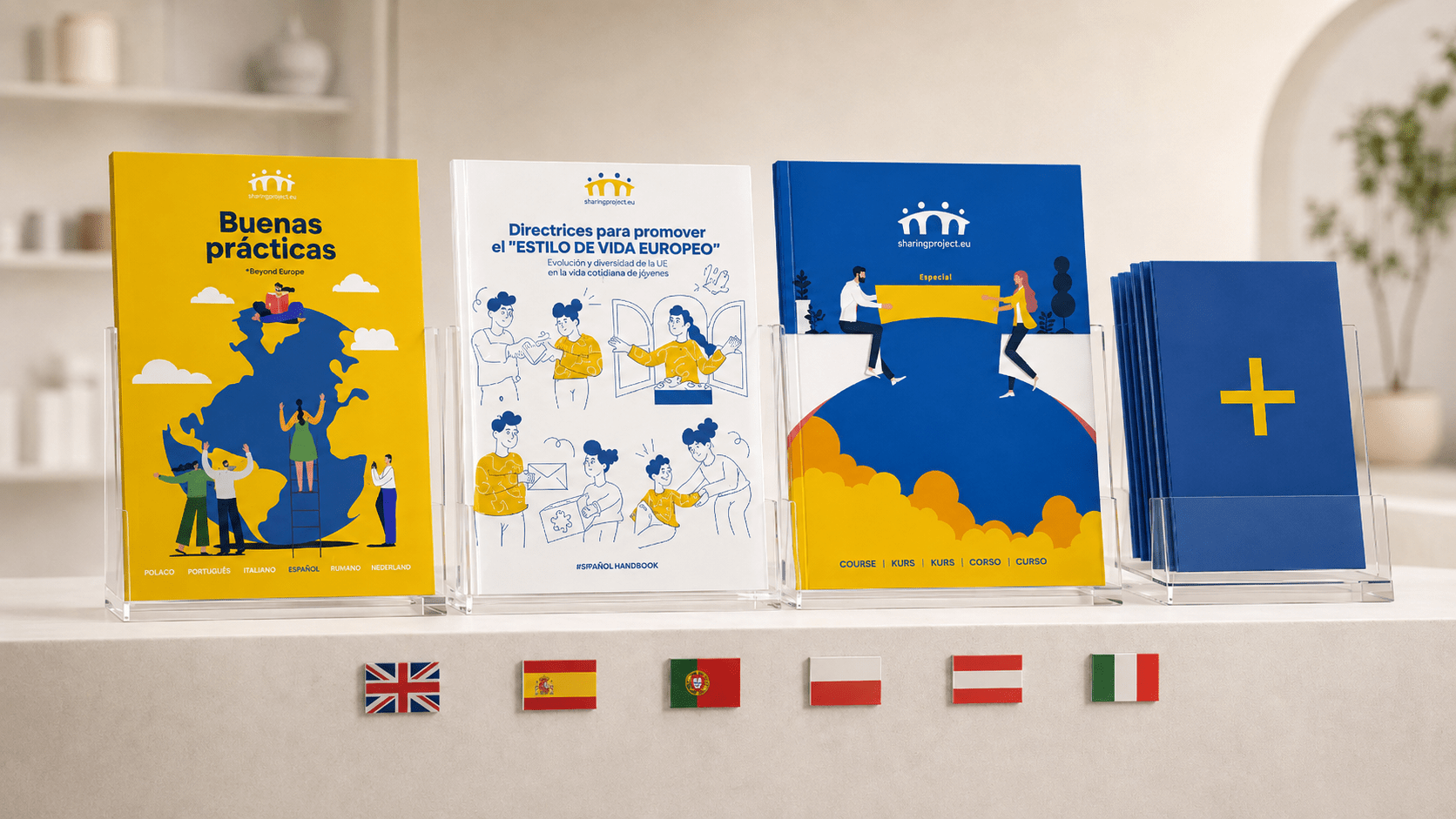
Discover the multilingual resources created by PUENTE Project to support adult educators, social carers and organisations working towards the inclusion of Ukrainian refugees across Europe.