

Within the framework of the PUENTE Project (Protecting Ukrainians Encouraging Non-formal Training and Education), funded by the Erasmus+ programme and carried out by a partnership of organisations from six European countries, the results of a participatory diagnosis involving Ukrainian refugees and professionals engaged in their reception process have been released. The study offers a clear snapshot of the main challenges hindering their social and labour inclusion in host countries.
The data, collected from over half a centenary individuals between late 2024 and 2025, informs the design of adapted pedagogical methodologies. The goal is to equip professional teams with effective tools to improve refugee reception and promote autonomy through non-formal education.
Refugees: lack of information, support and autonomy
The PUENTE Project study, conducted in the six project partner countries (Spain, Italy, Portugal, Austria, Poland and Belgium), gathers the perspectives of both professionals and refugees.
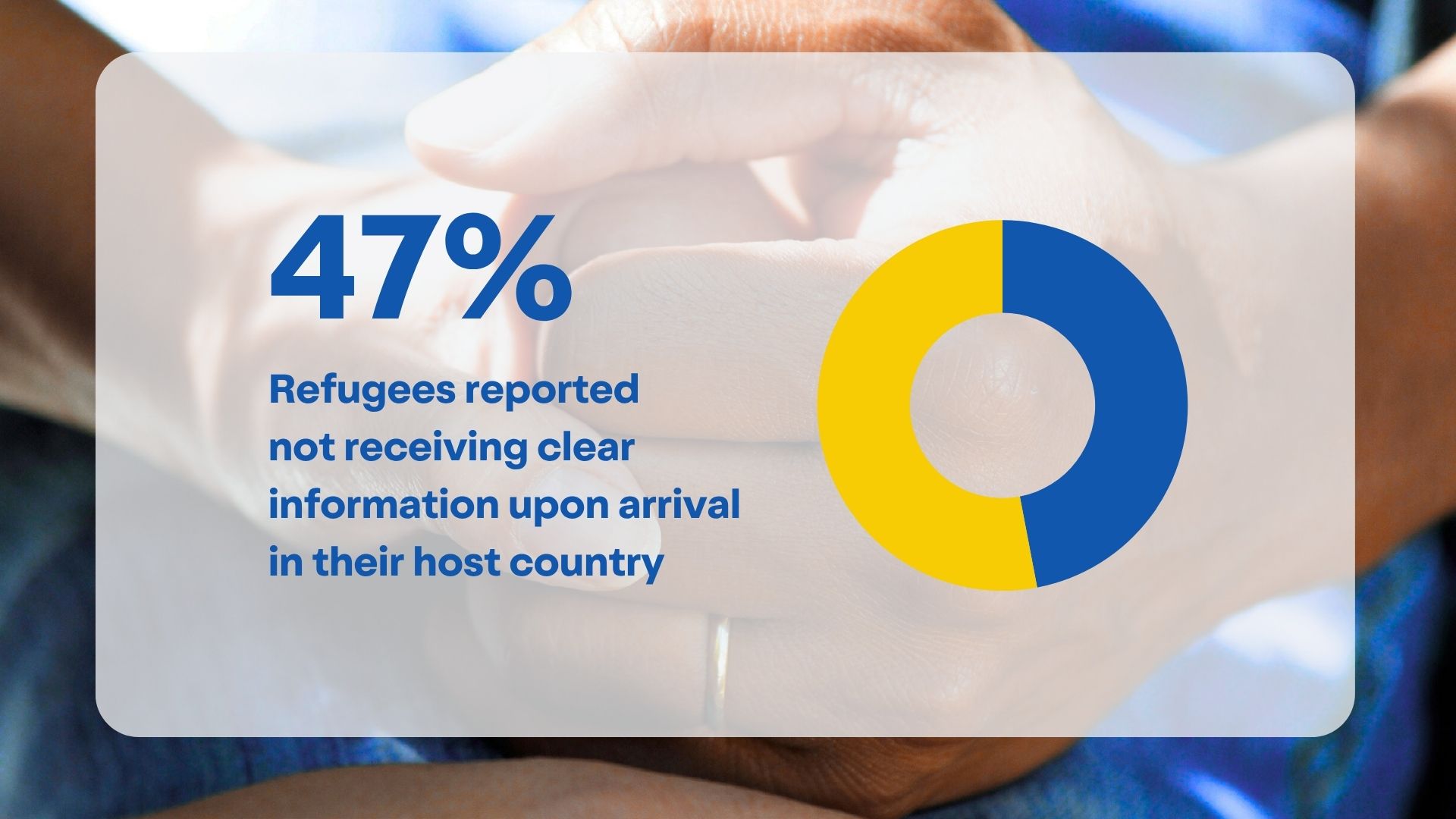
Nearly half of the respondents stated they did not receive essential information upon arrival, particularly regarding housing (20%), psychosocial support (16%), healthcare services (14%), and language (13%).
The analysis by PUENTE Project also highlights several critical moments where information was lacking:
- Before fleeing their country of origin
- Upon arrival at the airport or emergency accommodation
- During registration in the host country
This information gap, occurring at various stages of the migration process, appears to be closely related to the formation of unrealistic expectations among refugees—a point raised by both professionals and previous studies.
In fact, 61% of refugees reported relying primarily on other refugees and informal networks for information—well above the 13% who cited local authorities as a key source of guidance.
Professionals: training gaps and bureaucracy
Only two out of three professionals reported having received prior training before beginning their roles, suggesting significant room for improvement. The most in-demand training areas are intercultural communication (34%) and trauma management and psychosocial support (29%).
The main institutional barriers identified by respondents were:
- Excessive bureaucracy and administrative delays (40%)
- Lack of inter-institutional coordination (28%)
Moreover, a notable difference in support strategies emerged: while refugees often rely on informal networks, professionals depend on organisational structures. This contrast underlines the need to enhance coordination between institutions and to develop accessible multilingual materials to ensure effective communication.
When asked about the most pressing needs among refugees, professionals highlighted:
- Housing (24%)
- Psychological support (20%)
- Labour market integration (11%)
Although priorities vary in order, both groups agree on the critical importance of psychological support as a fundamental element for dignified and sustainable inclusion.
PUENTE Project: an educational response focused on inclusion and autonomy
In response to these findings, PUENTE Project aims to design an innovative and accessible educational methodology that strengthens the preparedness of educational, healthcare, and social professionals working with adult refugees—particularly those displaced from Ukraine by war.
Following the assessment of needs and barriers, PUENTE Project will develop:
- A transnational training programme for professionals working with adult refugees
- A good practices guide to facilitate educational and social inclusion processes
These tools are characterised by a multi-stakeholder approach, drawing on the expertise of eight organisations working in education, social inclusion, and refugee support, collectively serving more than 1,000 refugees across Europe.
The project is coordinated by Fundación Juan Ciudad, with the collaboration of Centro San Juan de Dios de Ciempozuelos and Hermanas Hospitalarias Valladolid in Spain; Instituto São João de Deus in Portugal; Provincia Religiosa di San Pietro – Fatebenefratelli in Italy; Bonifraterska Fundacja Dobroczynna in Poland; Konventhospital Barmherzige Brüder Linz in Austria; and Hospitality Europe in Belgium.
Leave a Reply to Why is necessary Puente Project? – Puente Project Cancel reply